Phone:
(701)814-6992
Physical address:
6296 Donnelly Plaza
Ratkeville, Bahamas.

Phone:
(701)814-6992
Physical address:
6296 Donnelly Plaza
Ratkeville, Bahamas.
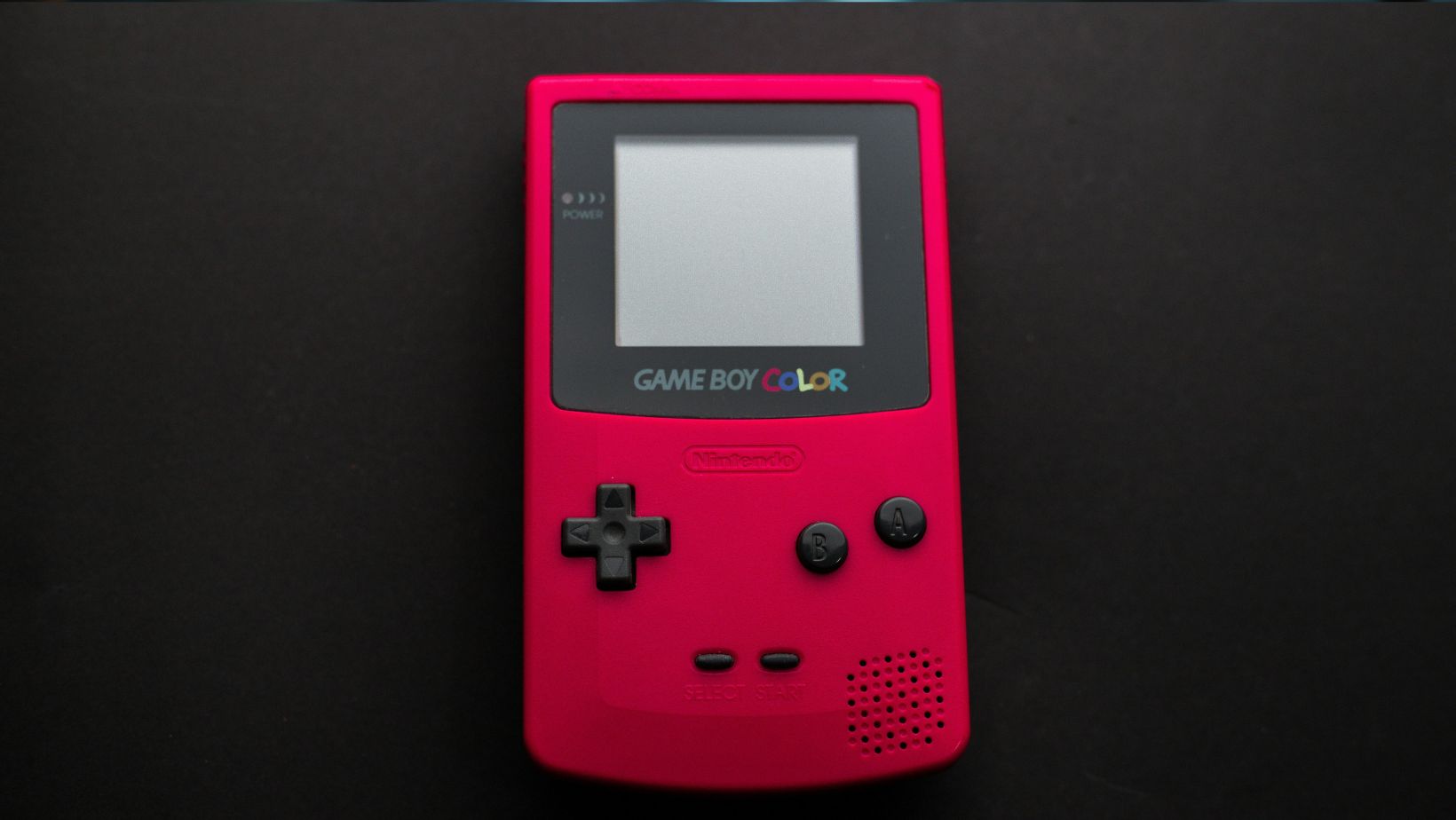
Retro gaming is having a powerful resurgence. From pixelated arcade classics to console titles of the 80s and 90s, nostalgia-driven gaming is captivating audiences worldwide. Social media platforms highlight the scale of this trend: on TikTok, #retrogaming videos have amassed over 6 billion views, while YouTube uploads of retro content have increased more than 1,000-fold in recent years. This is best demonstrated by Denver’s retro gaming scene, which features over 15 specialized stores offering classic games, rare titles, and vintage arcade machines. What was once a niche interest has now become a mainstream cultural movement, connecting generations of gamers through simplicity, creativity, and nostalgia.
For the eGames industry, this presents a huge opportunity. By blending the timeless appeal of retro experiences with modern innovation, eGames can attract both seasoned gamers seeking nostalgia and new players curious about classic styles. Casino platforms, in particular, have recognized this potential and are already experimenting with retro-inspired elements in their offerings.
Some of the world’s largest casino brands have been quick to integrate retro gaming themes into their eGames, especially within live slots. These games combine the familiar look and feel of traditional slot machines with interactive, tech-enhanced gameplay that resonates with today’s digital audiences. Take Solaire Online, the digital platform of the iconic Solaire brand. Its live slots feature vibrant graphics reminiscent of arcade machines, complete with classic symbols, sound effects, and easy-to-follow mechanics. At the same time, the platform offers modern benefits—such as live streaming dealers, crypto payment integration, and global accessibility. By fusing retro aesthetics with cutting-edge technology, Solaire Online shows how modern casinos are appealing to both nostalgic players and new audiences, bridging the gap between past and present.
To understand how retro gaming can help eGames grow their player base, it’s worth exploring some standout examples—two from the casino world and two from the broader gaming industry.
Mega Joker is one of the most popular retro-inspired online slots, designed to replicate the look and feel of vintage fruit machines. With its simple symbols—cherries, lemons, bells, and sevens—paired with classic arcade sound effects, the game evokes the nostalgia of old mechanical slots. Its progressive jackpot and modern online features keep gameplay engaging, blending retro charm with contemporary appeal. Mega Joker proves how casinos can use retro aesthetics to attract both veteran players familiar with traditional machines and new audiences intrigued by vintage style.
Another leading casino eGame leveraging retro design is Starburst, one of the most popular online slots globally. Its neon visuals, arcade-style soundtrack, and simple mechanics evoke the classic video game shooters of the 1980s arcade era, particularly arcade classics like Galaga. Yet, Starburst integrates modern features such as expanding wilds and multi-platform accessibility, making it easy to play across devices. The game’s success highlights how retro styling can increase player engagement by offering familiarity while still delivering modern functionality.
Beyond the casino space, mainstream eGames are also thriving by revisiting retro formats. The successful retro game Streets of Rage 4, a modern reboot of the iconic 1990s beat ’em up franchise, perfectly illustrates this. It retains the side-scrolling, button-mashing fun of the original series while introducing updated graphics, co-op modes, and new mechanics. The result appeals to nostalgic gamers who grew up with the franchise, as well as younger players who enjoy fast-paced action with a vintage vibe. This demonstrates how retro gaming can revive old intellectual property (IP) while expanding its fan base.
Indie hit Shovel Knight is another stellar example of leveraging retro aesthetics to build a global following. Designed with 8-bit graphics and classic platforming mechanics, Shovel Knight is a love letter to the NES era, particularly games like Mega Man and Castlevania. Yet, it adds modern design sensibilities, tight controls, and expansive storytelling. The result is a game that appeals to nostalgic players while being critically acclaimed by new audiences. Its success proves that retro gaming elements don’t just attract players—they can form the foundation of a brand-new franchise.
The success of these examples reflects several core reasons why retro gaming can increase player bases across the eGames landscape:
Retro games are easy to understand and play, with minimal learning curves. For casino players and casual gamers, this makes them approachable and engaging.
Many players who grew up with arcade and console classics are now adults with disposable income. Nostalgia taps into their emotions, encouraging them to revisit familiar experiences in modern formats.
Younger players discover retro games through streaming platforms, social media, or family members. This allows retro-inspired eGames to connect different generations within one player base.
Successful eGames don’t just replicate old titles—they reimagine them with modern technology. Live slots with retro aesthetics, HD remakes, and hybrid genres all highlight how the past can fuel the future.
The eGames industry is uniquely positioned to capitalize on retro gaming. Casino platforms like Solaire Online are already using retro themes to enrich live slots, showing how nostalgia can be paired with cutting-edge tech to attract both new and returning players. Beyond casinos, mainstream hits like Streets of Rage 4 and Shovel Knight prove that retro-inspired design can launch or revive entire franchises.
Ultimately, retro gaming’s power lies in its ability to connect generations, simplify gameplay, and evoke strong emotions. For eGames seeking to expand their player base, integrating retro elements is not just smart marketing—it’s a proven strategy to grow engagement, strengthen brand identity, and ensure long-term success in a competitive digital landscape.